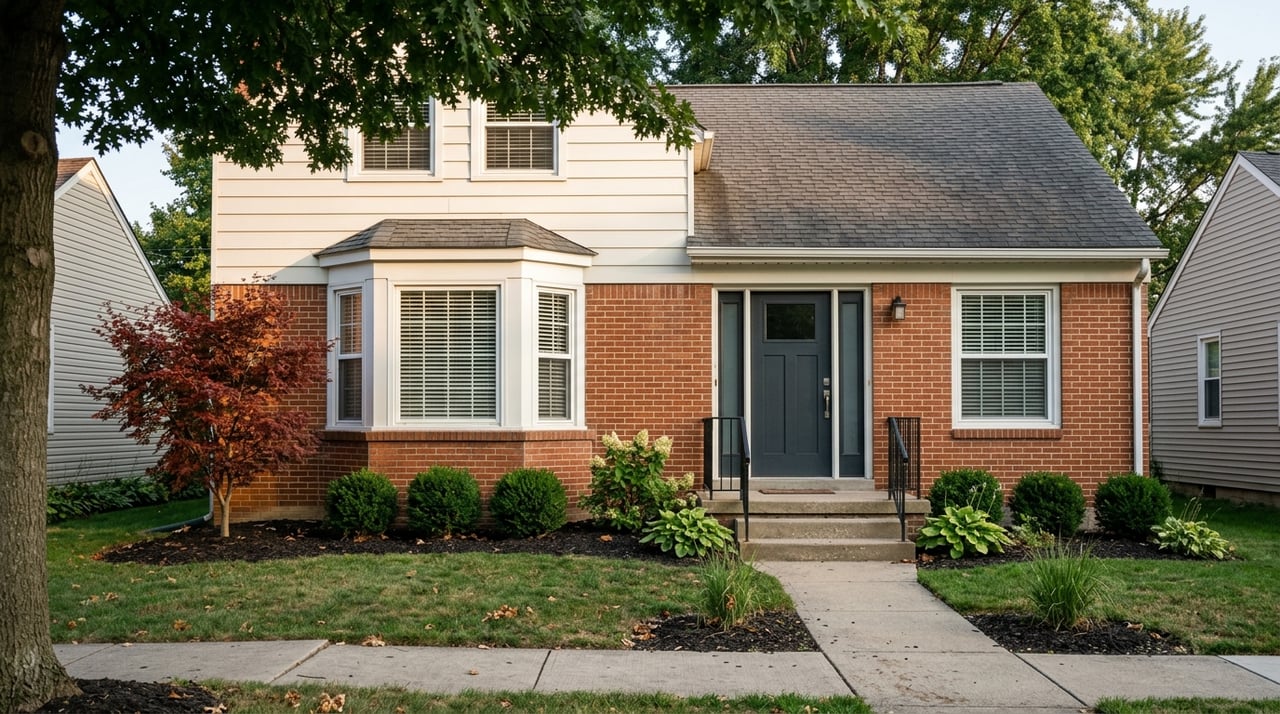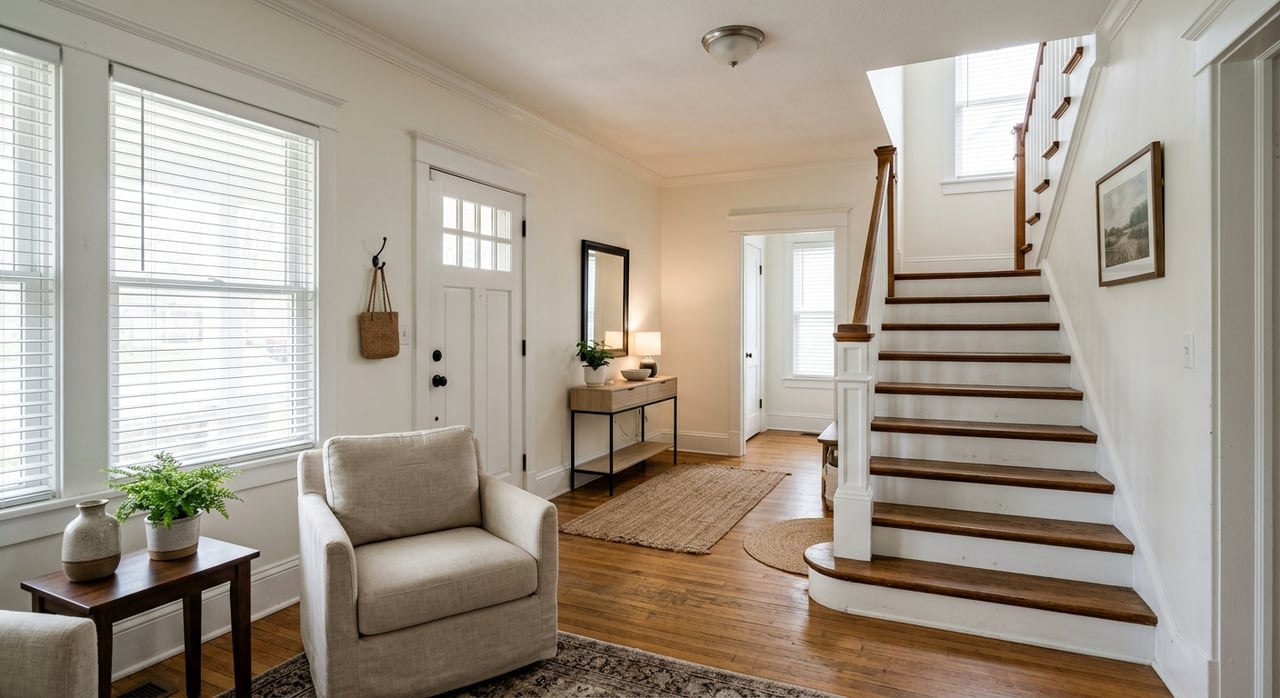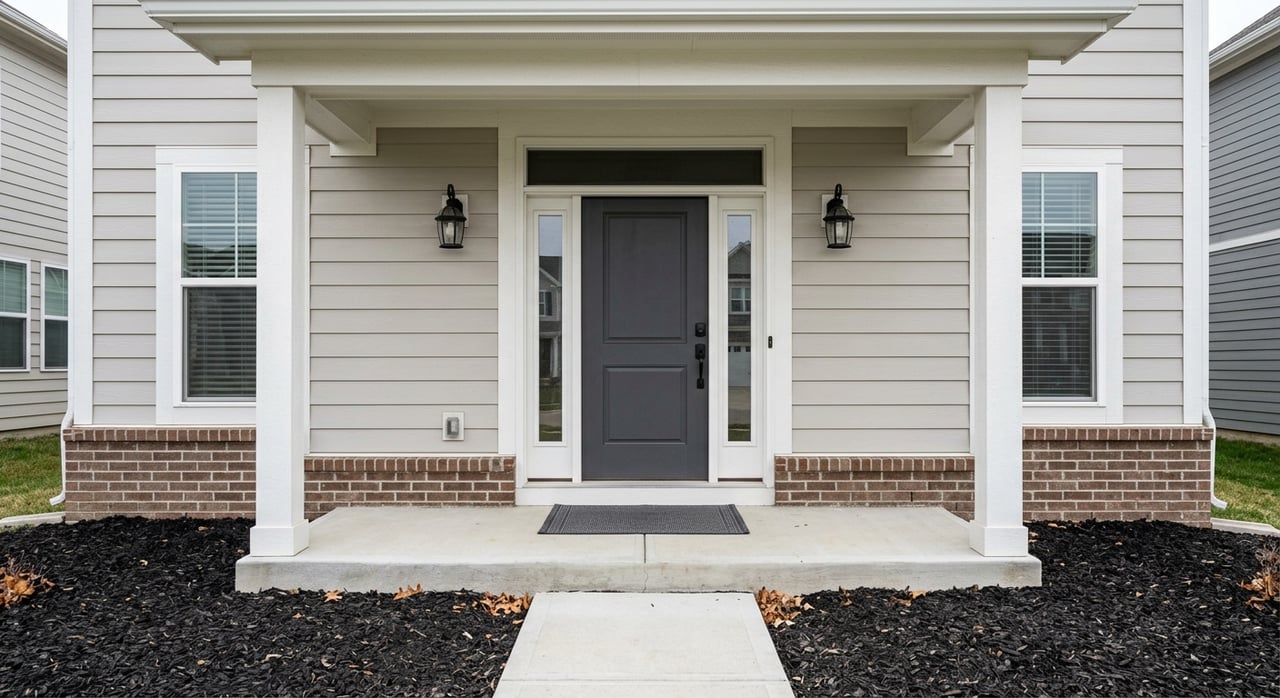
Thinking about buying a rental in Deerfield Township but not sure where to start? You’re not alone. Many investors see promise in this Warren County suburb because of its steady suburban demand and proximity to Cincinnati’s job centers. In this guide, you’ll learn what drives rental demand, how to size up a deal, key rules to know in Ohio, and a simple plan to move forward with confidence. Let’s dive in.
Why Deerfield Township appeals
Deerfield Township sits within the Cincinnati metro and draws interest from renters who want suburban living with access to regional employers. Families and professionals often look for single-family homes that offer space and convenience. If you’re focused on stable, longer-term tenants, this area fits that profile.
You’ll want to confirm the basics for any target property. Check commute patterns to major employers in nearby hubs like Mason and Cincinnati, and study local household formation and income trends to gauge affordability. The American Community Survey and the Bureau of Labor Statistics are good places to start for big-picture context.
Property types that work
Single-family rentals
Single-family homes are common across suburban townships and tend to attract longer-term renters who value yards and extra rooms. Turnkey homes can lease quickly, while renovated older homes may offer solid cash flow if you buy right.
Small multifamily (2–8 units)
Smaller buildings can deliver stronger per-unit cash flow. Before you pursue a duplex or fourplex, confirm zoning and any local rules that affect conversions or occupancy limits. Financing and management often look a bit different than single-family.
New construction and higher-end options
Newer homes can reduce maintenance and turnover costs. If you target new or recent builds, verify HOA leasing policies and factor in taxes and insurance when you underwrite.
Demand and rent checks
Your best indicators are recent asking rents, days on market, and turnover in the immediate neighborhood. Pull nearby rental comps, study listing photos and features, and note how long they stay available. Focus on property condition, bed/bath count, basement or garage space, and outdoor areas, since these can influence rent and demand in suburban markets.
For a full picture, layer in local employment trends and household income data. The American Community Survey provides median income estimates, while the Bureau of Labor Statistics tracks employment trends that can influence renter demand over time.
Rules and compliance in Ohio
Landlord-tenant basics
Ohio rental laws are guided by the Ohio Revised Code. Get familiar with security deposit rules, required notices, habitability standards, and the eviction process. If a property was built before 1978, you must provide a federal lead-based paint disclosure. You can review guidance through HUD’s lead disclosure resources.
Zoning and local procedures
Before you buy, confirm whether Deerfield Township or Warren County requires rental registration, routine inspections, or specific permits. Ask about rules for accessory units, small multifamily properties, and any short-term rental limitations. This helps you avoid surprises and plan for any pre-leasing work.
Fair housing and screening
Follow federal Fair Housing standards and apply consistent screening criteria. Use the same documented process for every applicant, including income verification, rental history, and employment checks. Keep records of your decisions and be ready to consider reasonable accommodation requests when applicable.
Taxes, insurance, and operating costs
Property taxes
Property tax rates vary by parcel and are heavily influenced by school district boundaries and local levies. Always verify the property’s assessed value and current millage before you finalize an offer. Build in a cushion for reassessment after a purchase.
Income taxes
Rental income is taxable at the federal and state level. Depreciation for residential rentals typically follows a 27.5-year schedule. Review Ohio filing requirements with the Ohio Department of Taxation, and consider how passive activity rules, capital gains, and 1031 exchanges might affect your long-term plan.
Insurance and reserves
Plan for landlord insurance, liability coverage, and loss-of-rent options as needed. If the property sits near a floodplain, check the FEMA Flood Map Service Center and price flood insurance accordingly. For operating reserves, many investors budget separate line items for vacancy and credit loss, routine maintenance, capital improvements, and management fees.
Financing options to compare
- Conventional loans: Common for single-family and small multifamily investments, often with 20 to 25 percent down depending on your profile and property type.
- Portfolio lenders and credit unions: Useful if you need flexible underwriting or plan to build a small portfolio.
- FHA for owner-occupants: Allows 2 to 4 units if you live in one unit.
- Bridge or hard money: Short-term options for value-add or fast-closing scenarios, usually at a higher cost.
Lenders typically look for adequate reserves, strong credit, and documented rents or a market rent pro forma. Many want a minimum Debt Service Coverage Ratio near 1.20 to 1.25, depending on the lender and deal profile.
Underwriting made simple
Use a consistent framework so you can compare apples to apples across properties.
- Gross Rent Multiplier (GRM) = Price ÷ Annual Gross Rent.
- Net Operating Income (NOI) = Gross Income − Operating Expenses (exclude mortgage).
- Cap Rate = NOI ÷ Purchase Price.
- Cash-on-Cash Return = Annual Pre-Tax Cash Flow ÷ Total Cash Invested.
- DSCR = NOI ÷ Annual Debt Service.
Quick illustration
Imagine a 3-bed single-family home purchased for 350,000 that rents for 2,600 per month. If you estimate 40 percent for operating expenses, your NOI is 2,600 × 12 × 0.60 = 18,720. That produces a Cap Rate of 18,720 ÷ 350,000 = 5.35 percent. If you invest 90,000 in down payment and closing costs, and your annual debt service is 15,600, then your cash flow is 3,120 and your Cash-on-Cash Return is 3,120 ÷ 90,000 = 3.47 percent. Your DSCR would be 18,720 ÷ 15,600 = 1.20.
Use this as a template and swap in verified local rents, taxes, insurance, and maintenance based on the specific property and school district.
Property management choices
Self-manage vs. hire
Managing yourself can improve net returns if you live nearby and have time to handle leasing, maintenance, and tenant relations. Hiring a property manager adds a fee but can streamline marketing, screening, rent collection, maintenance coordination, and legal compliance. Many single-family management agreements range around 8 to 12 percent of monthly rent for full service, with separate leasing and renewal fees.
Tenant sourcing and screening
Write a clear listing with strong photos, highlight practical features, and set realistic showing windows. Apply consistent screening criteria that align with your rent level and fair housing standards. A common rent-to-income guideline is 30 to 40 percent, adjusted to local pricing and applicant quality.
Maintenance and turnover
Budget for routine upkeep and plan ahead for capital items like roofs, HVAC, windows, and driveways. During turnovers, expect expenses for paint, cleaning, minor repairs, and landscaping to reset curb appeal.
Risk checks to complete
- Crime and safety: Review sheriff reports and neighborhood-level crime maps to understand trends.
- School district and taxes: Confirm the district early because it affects both renter interest and tax millage.
- Zoning or infrastructure: Look for planned road, commercial, or zoning updates that could influence values or demand.
- Flood and hazards: Verify any floodplain exposure through the FEMA Flood Map Service Center.
- Competition: Track new construction and rental supply to avoid saturated pockets.
Step-by-step plan
- Define your target: single-family or small multifamily, price range, and desired cash flow.
- Pull rent comps: Gather current asking rents and days on market for similar homes nearby.
- Verify taxes and insurance: Confirm school district, assessed value, and insurance quotes.
- Check rules: Ask Deerfield Township and Warren County about registrations, inspections, and any short-term rental limits.
- Underwrite two ways: Run conservative and optimistic scenarios using the formulas above.
- Line up financing: Compare terms from a conventional lender and a local portfolio lender.
- Inspect thoroughly: Order a general inspection and price any repairs or upgrades.
- Plan management: Decide to self-manage or interview property managers before closing.
How Team Bush can help
You get the best results when local knowledge meets a proven process. As a Greater Cincinnati suburban team known for market intelligence, fast execution, and investor support, we help you source the right properties, price them for rent, and put reliable systems in place. Our end-to-end services include buyer representation, leasing support, and property management capability so you can invest with confidence and keep your time focused on strategy.
If you’re exploring rentals in Deerfield Township, connect with Team Bush to review live rent comps, taxes, and an underwriting model tailored to your goals.
FAQs
What makes Deerfield Township attractive for rentals?
- Suburban demand, proximity to regional employers, and housing types that fit families and professionals often support stable occupancy and longer-term tenants.
How do I estimate rent for a Deerfield Township home?
- Pull recent nearby rental listings with similar bed/bath counts and condition, then adjust for features like garages, finished basements, and outdoor space.
Which Ohio rental laws should I know first?
- Start with the Ohio Revised Code for security deposits, notices, habitability, and eviction procedures, and follow federal lead-based paint rules for pre-1978 homes.
How do property taxes affect my cash flow?
- School district millage and assessed value drive taxes, so verify both early and account for potential reassessment after your purchase.
Should I self-manage or hire a manager?
- If you have local presence and time, self-management can work, but a property manager can streamline leasing, maintenance, compliance, and tenant relations for a fee.
What insurance should a Warren County landlord carry?
- A landlord policy with proper liability limits is a baseline, and you may add loss-of-rent coverage or flood insurance after checking the FEMA flood maps.